Science keeps opening doors for metastatic breast cancer treatment options. One targeted approach is a class of medications called antibody-drug conjugates, also known as ADCs.

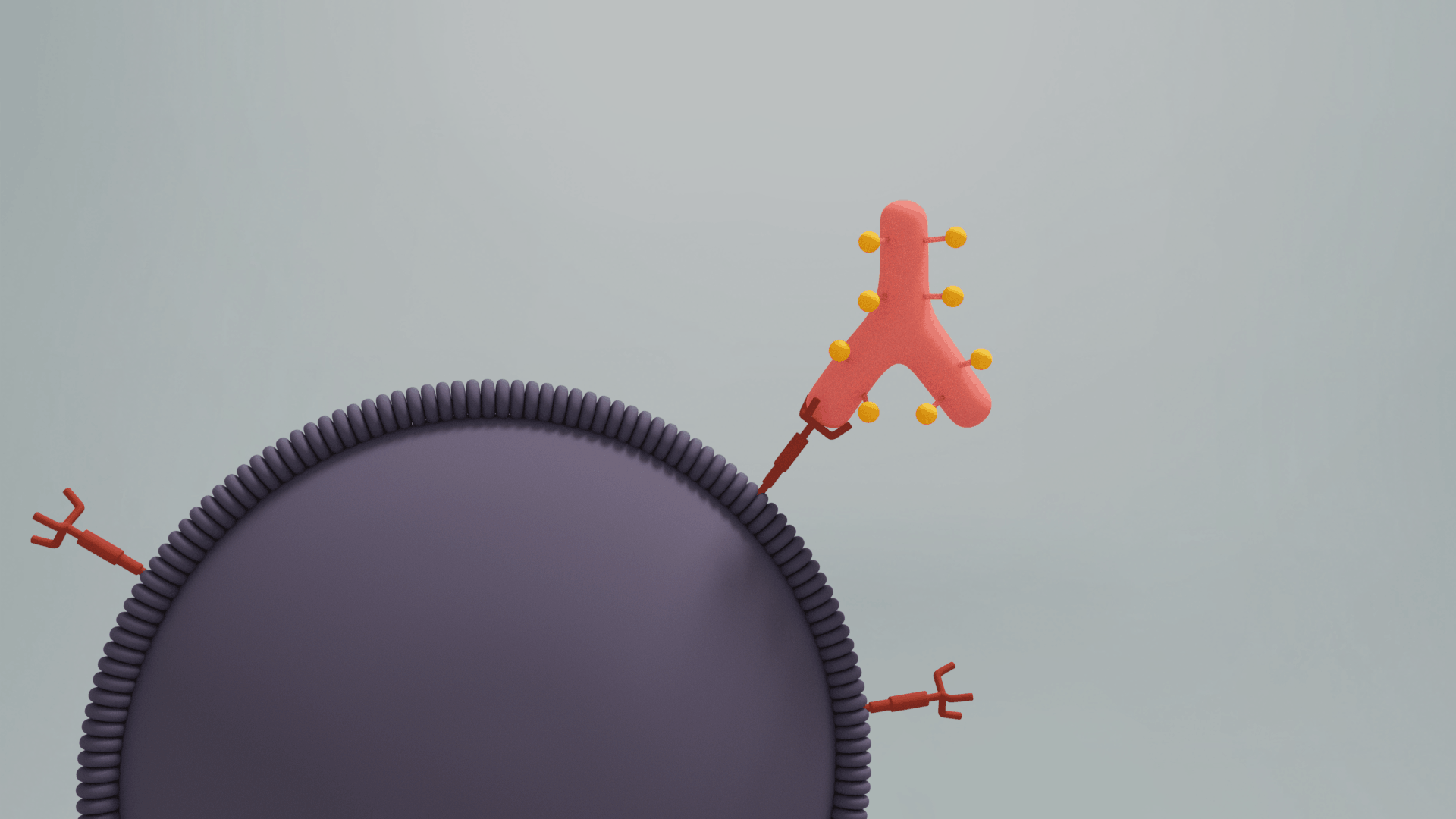

Antibody-drug conjugates, or ADCs, are a type of targeted cancer treatment designed to deliver medicines more directly to cancer cells. Learn how this targeted medicine works and why it may be an option for some people with MBC.
 ADC
ADC
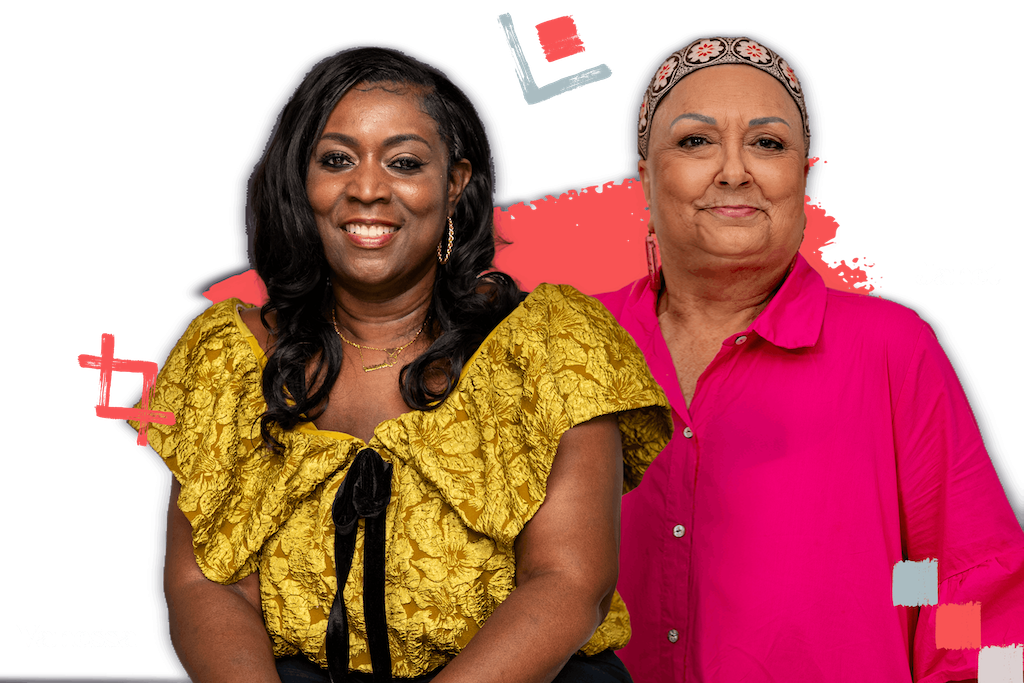
For Janet and Vanessa, a metastatic triple-negative breast cancer (TNBC) diagnosis brought new challenges. In these conversations, they'll confront uncertainty, share their experiences on an ADC and navigate the realities of living with advanced cancer.
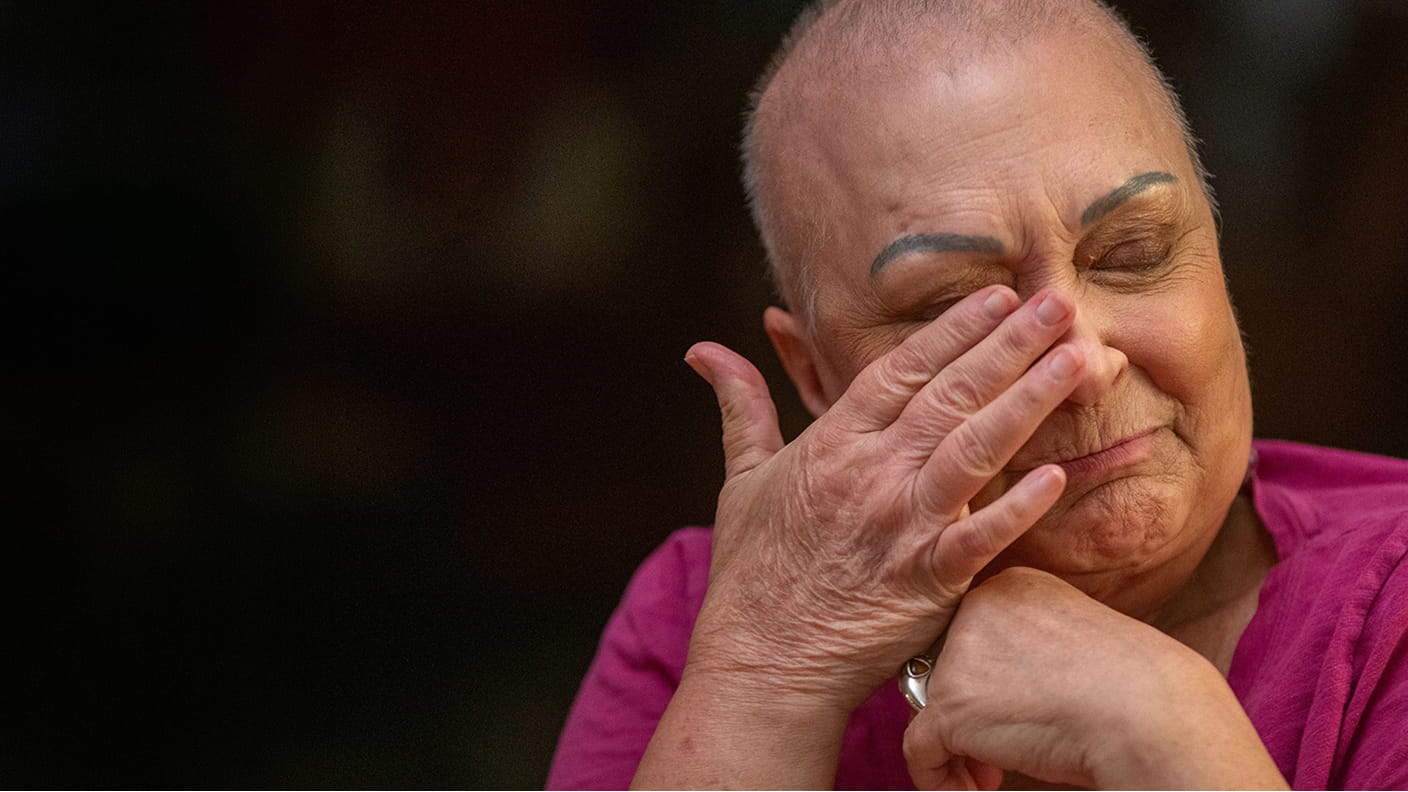
Episode 1: Before ADC Treatment
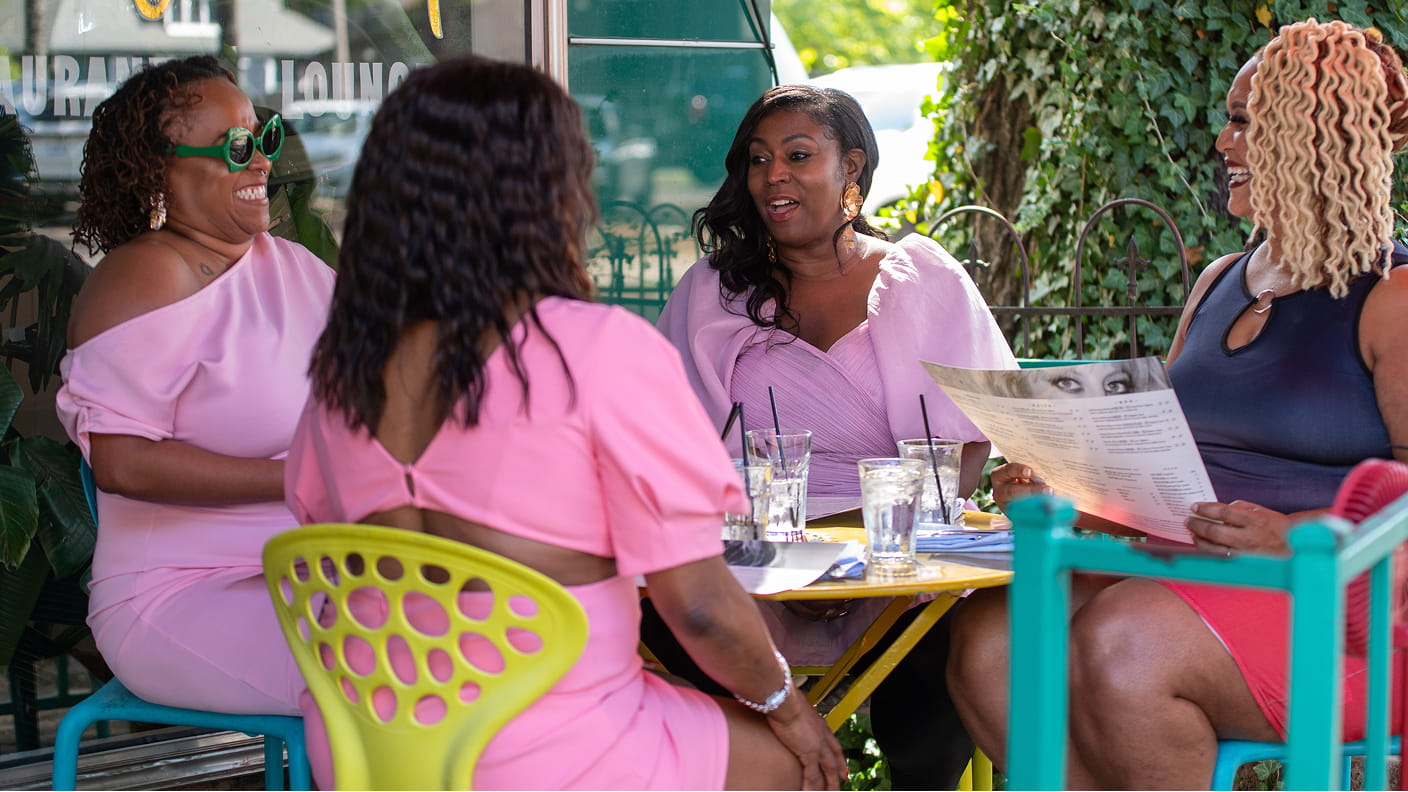
Episode 2: Side Effects & Community
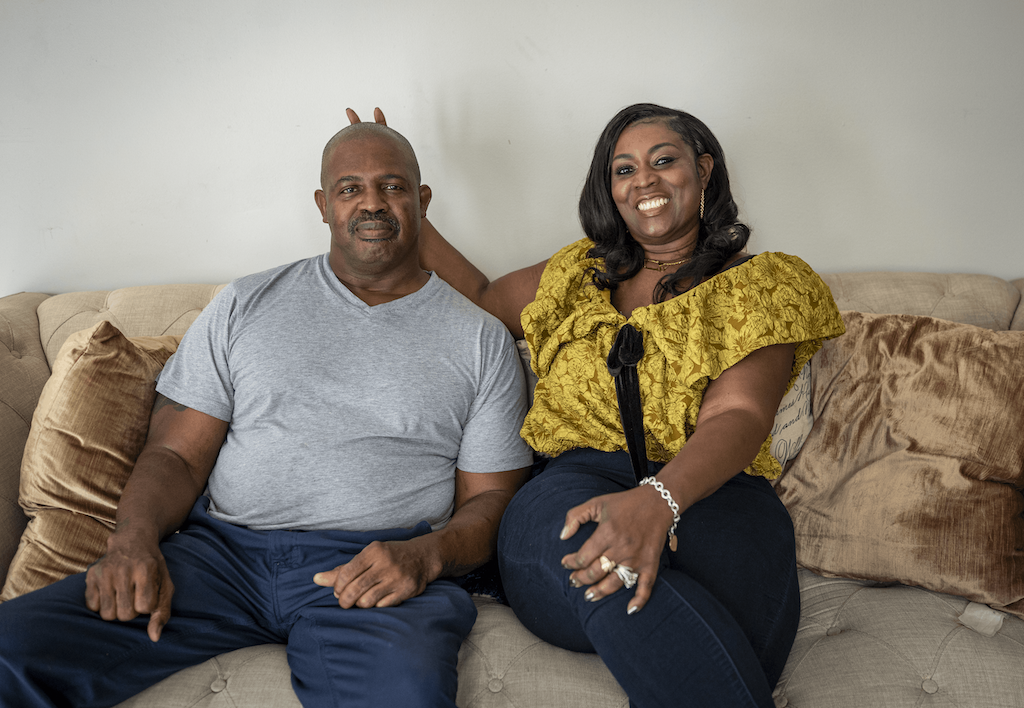
Episode 3: Enduring Joy & Faith
Who are antibody-drug conjugates for? How are they different from traditional chemotherapy? Janet and Vanessa's breast oncologist, Dr. Gregory Vidal from West Cancer Center and Research Institute, shares the basics about ADCs.

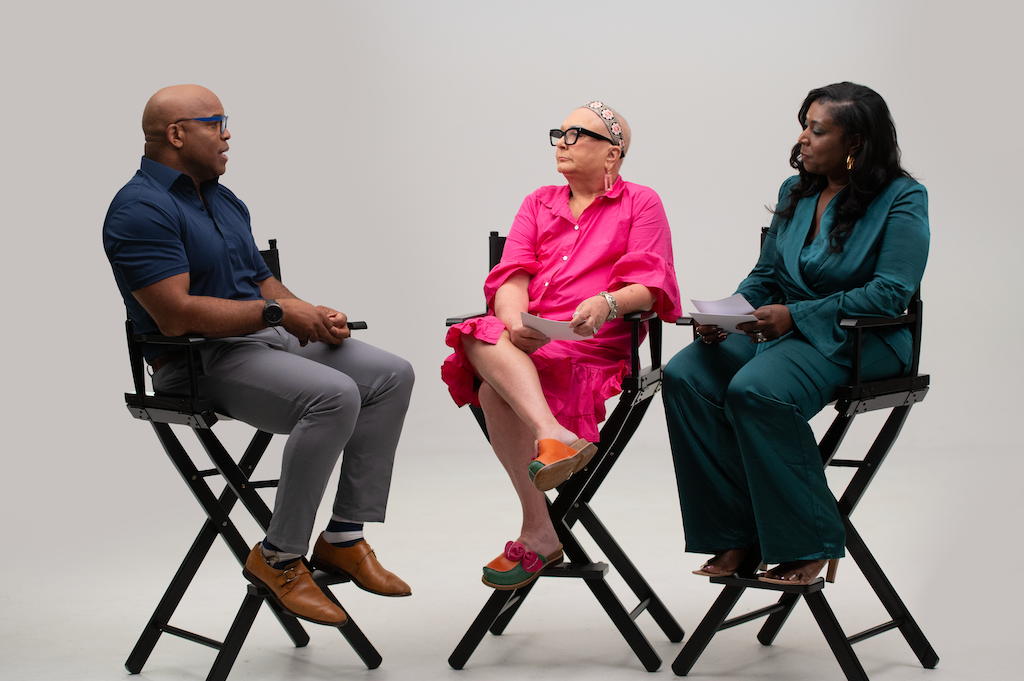
Making informed decisions about your treatment options begins with a trusted relationship with your oncologist.
Cancer can be a long and difficult journey for all those affected. Regardless of the stage or severity of the cancer, or how far into treatment you are, as a patient or caregiver, finding the support you need as an individual is important. There are many resources available to help you find the support you need.

Questions to keep in mind when talking with your care team.

Communicating about life with MBC, including mTNBC, with your loved ones.

Many groups can help support you and can connect you to more resources about MBC, including mTNBC.
"It’s a fight of your life that you have to go through, but you have to be strong at the same time."
“I have a long way to go, but I’m still here trying to battle it out.”
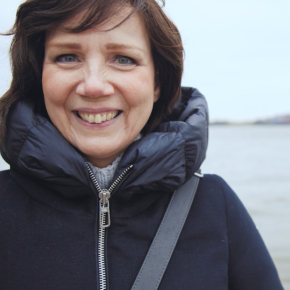
“I know there are cases that are going well, and that’s what I’ve been holding on to.”
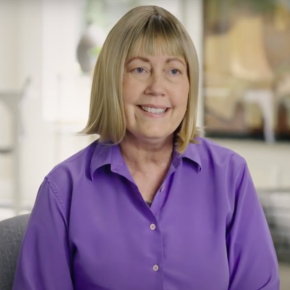
“For my kids, they’ve never known Mom or remember Mom without having cancer.”
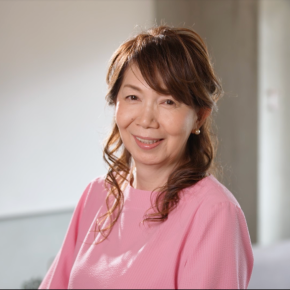
“I must keep living. I must do my best.”
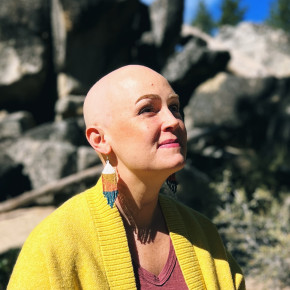
“When I choose to live bigger instead of smaller, my kids embrace a bigger life with me.”
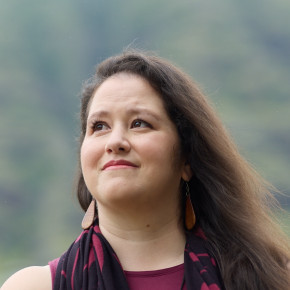
"If it feels difficult, know that it's not permanent, that you can go beyond it."